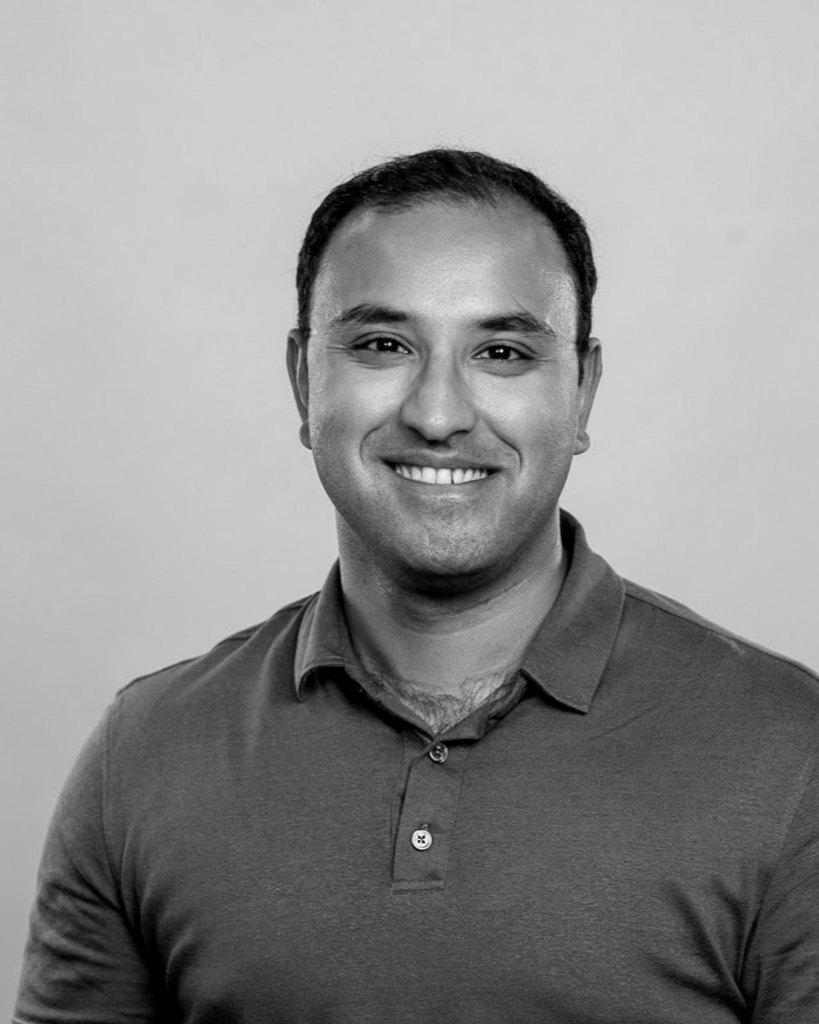
Hi, I’m Amol.
I build end-to-end systems that turn bold scientific ideas into deployed, real-world impact. My leverage comes from combining deep technical understanding with execution under uncertainty.
Currently, I’m an Applied AI Scientist at the Ellison Institute of Technology (EIT), Oxford. My career has been defined by a “bench-to-bits” trajectory. Starting in physical lab science and evolving into software engineering and AI research at institutions like IBM Research, AstraZeneca, and Pfizer.
What I Build
I thrive in high-growth, ambiguous environments where technical and product decisions are tightly coupled. Over the past decade, I have focused on building AI that survives contact with reality:
- ML-Driven Organic Synthesis: Delivered AiZynthFinder, an open-source platform that influenced how medicines are made at AstraZeneca, and IBM RXN which impacted how agrochemicals are developed at Syngenta.
- Applied LLMs: Developed and trained LLMs for text-to-SQL to bridge the gap between natural language and complex data architectures.
- Computer Vision & IoT: Built automatic activity recognition systems to digitize real-world laboratory and operational workflows.
My Approach
My strength lies in translation. I bridge the gap between research, engineering, and user needs. I have led small teams, driven internal initiatives, and owned client-facing engagements across pharmaceuticals, chemicals, and finance.
I’m most engaged when I can own the full lifecycle. From the first line of research code to the design, deployment, and productionisation of a system.
I am interested in roles and collaborations where building, scaling, and high-velocity impact matter.
Beyond the Lab
When I’m not building systems, I’m usually pushing my physical limits in the mountains or the water. My background in endurance and alpine sports includes:
- Cycling & Swimming: Cycled solo from Zurich to Istanbul, completed a Half Ironman, and finished a 10km marathon swim.
- Alpinism: Active in ski touring, mountaineering, and climbing, including several alpine summits (not as much anymore, South East England is pretty flat)
I find that the discipline and risk management required for these pursuits mirror the persistence and focus needed to solve high-stakes technical problems.